
When Treka reviewed how it manufactured its GRP components, the decision was about more than where parts would be produced. Running a dedicated factory brought significant overheads, including heating, staffing and the resources required to manage production in-house.
Treka chose to move its GRP manufacturing to MPM Group, creating a strategic long-term partnership designed to support quality, production capacity and the demands of new bus and coach programmes.
Treka is part of Woodall Nicholson Group, and the partnership brings together Treka’s vehicle manufacturing requirements with MPM’s specialist composite manufacturing capabilities.
From In-House Production to a Specialist Manufacturing Partner
Operating a full GRP factory requires investment in facilities, people, equipment and day-to-day overheads. By outsourcing its GRP manufacturing to MPM, Treka could move away from running this function itself and work with a specialist partner to deliver the components required for its vehicles.
The transition involved more than transferring production. It required careful planning around tooling, storage, quality and the capacity needed to support ongoing and future programmes.
A New Leeds Facility and the Transfer of More Than 150 Moulds
To support the partnership, a new factory facility in Leeds was procured to accommodate storage, and more than 150 moulds were rehoused as part of the transition.
Managing a mould estate of this size requires organisation and planning to ensure tooling can be stored and accessed appropriately as production requirements evolve. The move helped establish the physical foundations needed to support Treka’s GRP manufacturing through MPM.
Quality Assessments to Support Production
The transition also triggered quality assessments of moulds and presses, helping identify areas for improvement and support production quality.
Reviewing tooling and production equipment is an important part of establishing a reliable manufacturing process. It helps create a clearer understanding of the condition of the assets being used and the work required to support consistent output.
The partnership has also supported further investment in MPM’s team, including growth in startup and training activities and team-leader training to broaden capability as production requirements develop.
Supporting Bio-Based Resin and Skilled Finishing
The partnership also provides an opportunity to evolve the materials used in Treka components. Approximately 7,500 parts annually are expected to move to a bio-based resin system, supporting Treka’s efforts to improve the environmental credentials of its parts.
Some components also feature textured internal surfaces, requiring a skilled, hand-crafted process. These details highlight the specialist work involved in producing bus and coach components that meet the requirements of the finished vehicle.
The change to a bio-based resin system should be understood in the context of the specific material and application. Any environmental benefits should be supported by verified information about the resin formulation.
Delivering New Vehicle Programmes
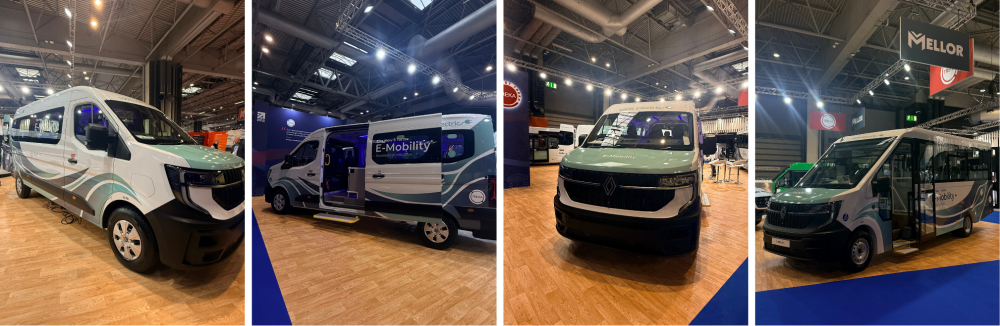
The partnership is supporting Treka programmes including City Sprint in 2026 and E-Mobility in 2027, with MPM producing internal and external GRP components for bus and coach applications.
One particularly demanding project involved the new E-Mobility programme. MPM took on the challenge of creating a suite of 43 parts from brand-new patterns in under nine weeks, a demanding development schedule requiring close coordination across pattern making, tooling and manufacturing, only possible through the all-in-one solution MPM provides, which allows new projects to be developed to tight deadlines.
The project demonstrates the importance of combining technical capability with planning, teamwork and the ability to respond to new product requirements.
A Partnership Built for the Long Term
For Treka, outsourcing GRP production changes the way this part of its manufacturing operation is managed. For MPM, the partnership brings responsibility for supporting quality, capacity, tooling and the introduction of new components as vehicle programmes progress.
The result is a long-term manufacturing relationship built around shared planning and the capability to support current production while preparing for future requirements.
The Takeaway
Treka’s decision to outsource its GRP manufacturing to MPM was a strategic change to its production model — moving away from running a dedicated factory and towards a specialist partnership covering tooling, quality, storage and component manufacture.
With more than 150 moulds rehoused, approximately 7,500 parts annually planned for a bio-based resin setup for part manufacture, and new vehicle programmes in development, the partnership is designed to support Treka’s evolving manufacturing needs.
The E-Mobility programme and its suite of 43 parts developed from new patterns in under nine weeks demonstrate the scale and pace of work involved.