
The leisure and recreational vehicle industries need products that combine durability, lightweight construction and design flexibility with an attractive finished appearance. Products must perform reliably while meeting the practical and aesthetic expectations of today's customers.
Traditional materials can introduce challenges around weight, corrosion, maintenance and achieving complex shapes. GRP (Glass Reinforced Plastic) offers a versatile alternative, enabling manufacturers to create lightweight, durable, and visually appealing components with considerable design freedom.
Whether used within motorhomes, campervans, caravans, leisure equipment or other recreational applications, composite components need to withstand continual use, changing weather conditions and exposure to moisture and UV. GRP offers manufacturers the ability to create bespoke components that balance performance, longevity and design.
Applications include:
- Motorhome body components
- Campervan components
- Caravan components
- Interior panels
- Exterior body panels
- Storage and equipment housings
- Leisure equipment components
- Wheel arches and body mouldings
- Bespoke GRP enclosures
- Specialist recreational products


Corrosion Resistant

Lightweight Solution

Hard Wearing

Cost Effective Maintenance

Design Flexibility

Scalable Manufacturing
Why choose MPM?
With almost 5 decades of expertise, we partner with OEMs, engineers and product designers to develop high-performance GRP composite solutions that are engineered for performance, built for demanding environments. and most importantly built to last.
Learn MoreOur Process
We provide a complete turnkey service, from product development and tooling through to full-scale UK production, helping customers bring durable, lightweight and cost-effective products to market.
Learn More
Design

Pattern Making
 Tooling
Composite Manufacturing

3D Scanning

Fit out and Delivery
Featured Projects
MPM has successfully delivered bespoke composite solutions across infrastructure, transport, commercial vehicles, leisure and specialist engineering sectors. Our experience enables us to transfer proven manufacturing knowledge between industries, helping customers develop better-performing products with reduced development risk.
-
 Linecross
Clear lines of communication bring quality results
Read More
-
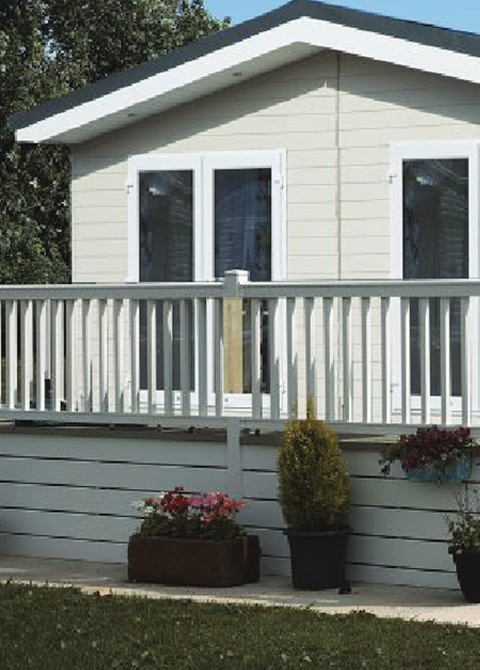 Atlas Leisure Homes
Manufacturing for the 'Staycation' boom
Read More
-
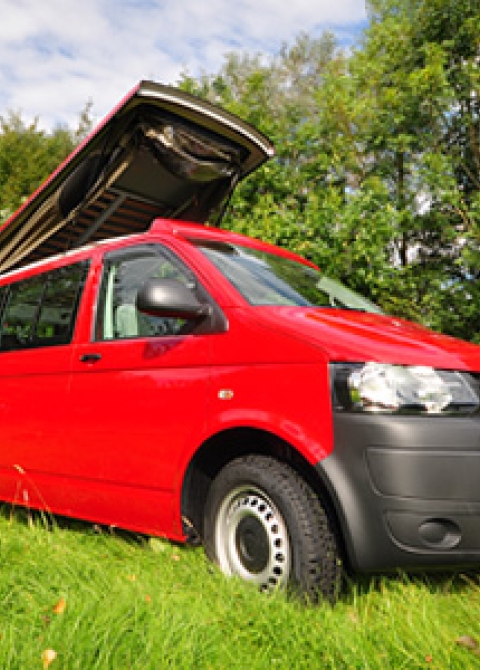 Jerba Campervans
Developing an Uplifting Partnership
Read More
-
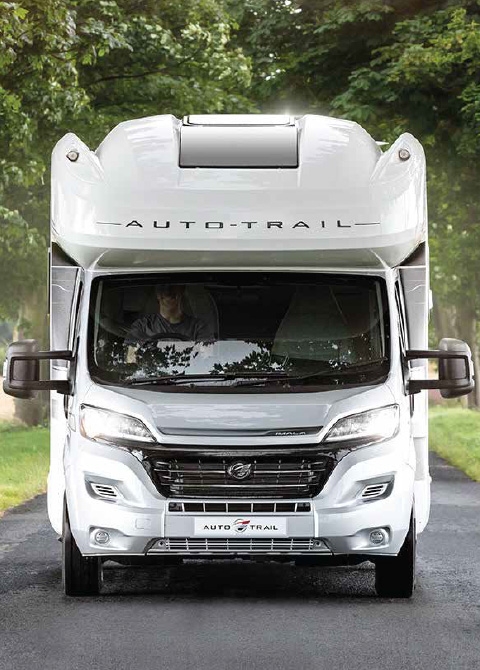 Auto Trail
Long-term partnership drives innovation and quality in motorhome manufacturing
Read More
-
 ABI
ABI
Supporting Holiday Home Manufacturer with High-Quality GRP Solutions
Read More
We Work With...









FAQS
Outsourcing is cheaper, has greater time and investment savings, and eliminates technical overhead. We provide the tooling, material, and quality so that you can focus on your core business.
General methods are open mould lay-up (hand lay/chop spray), resin transfer moulding (RTM), and vacuum infusion. Each process is suitable for different volumes, surface finishes, and performance specifications.
GRP is lightweight, resistant to chemicals, and cost-effective for complex shapes. GRP has a higher strength-to-weight ratio and is more design and manufacturing flexible than metal or plastic alternatives.
GRP (Glass Reinforced Plastic) is a composite material made by reinforcing a plastic resin with glass fibres, resulting in a lightweight yet strong product. It’s widely used in industries such as automotive, marine, construction, and aerospace for manufacturing durable parts and structures that require high strength-to-weight ratios.
Yes, at MPM, we can transform your idea or sketch into detailed designs and create both the pattern and mould, guiding you from concept through to production-ready tooling.
GRP components are widely used in industries such as automotive, marine, construction, aerospace, and infrastructure due to their high strength-to-weight ratio, corrosion resistance, and design flexibility. Common applications include boat hulls, vehicle body panels, building cladding, piping systems, and aerospace parts where durable, lightweight materials are essential.
Innovate - Quality - Reliable - Team - Leaders
"MPM are always quick to react and with their thorough and professional approach, quality is never compromised. Clear communication is essential and MPM excel in this area, we always know the status of our order and when to expect delivery."
Russell Carter, Linecross
READ CASE STUDY